

How to Develop Chinese Herbal Beverages for Modern Consumer Markets?
Release time: 2026-10-22
Daftar isi
Traditional herbal ingredients are finding new opportunities in today’s beverage market, but turning a familiar concept into a commercially viable product takes more than choosing the right ingredients. Buyers need to consider flavor, packaging, product consistency, manufacturing capabilities, and the expectations of their target customers. For brands looking to enter this category, Chinese herbal beverages offer a way to develop products inspired by traditional Chinese food culture while adapting to modern purchasing and consumption habits.
For importers, distributors, and private-label brands, the challenge is finding the right balance between product identity and market practicality. A beverage that works well in one market may need different packaging, labeling, or positioning in another. Before placing a bulk order, it is worth understanding how product formats, OEM/ODM services, and regulatory requirements influence the development process.
How Are Traditional Herbal Drinks Adapting to Modern Consumer Markets?
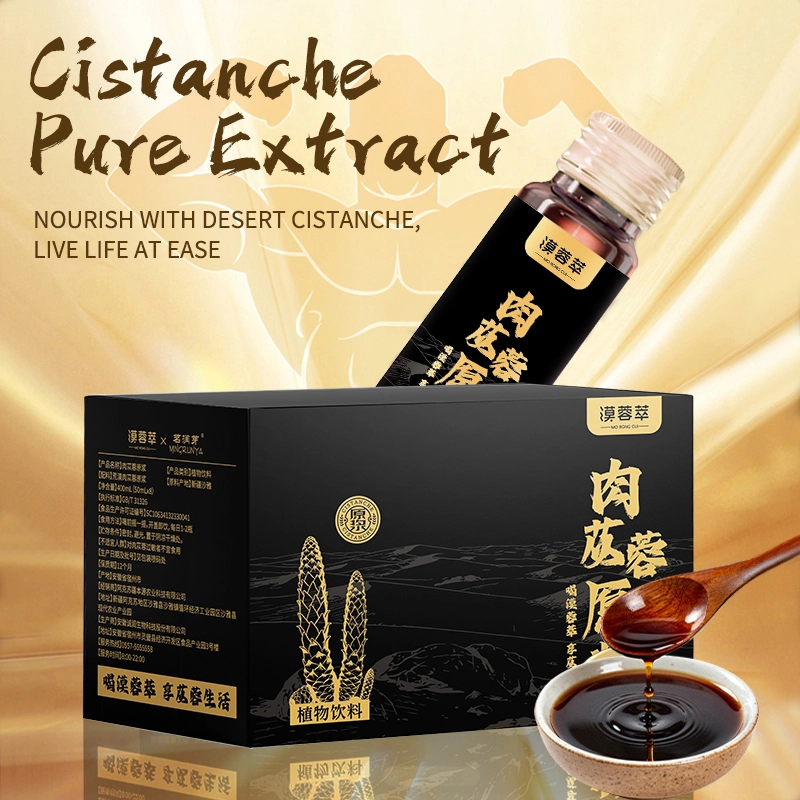
Modern consumers often look for beverages that fit easily into their daily routines. Portable packaging, clear product information, consistent flavor, and convenient serving sizes can all influence purchasing decisions. This creates opportunities for Chinese-style beverages to move beyond familiar retail formats and reach new customer groups through specialty stores, online channels, and private-label product lines. Products positioned as Men’s nutritious beverages may also appeal to brands exploring specific consumer segments, provided the product positioning is appropriate and complies with local regulations.
However, traditional inspiration alone does not guarantee market success. Buyers should first identify their intended customers and sales channels. A product designed for an Asian grocery store may require different branding and product information from one intended for a general supermarket or an international e-commerce platform. Taste preferences, price expectations, and local regulations also vary by market.
For manufacturers and brand owners, the goal is to translate a product concept into a format that customers can understand and use conveniently. That means evaluating the beverage’s flavor, serving size, packaging, and positioning together rather than treating each decision separately.
How to Choose the Right Format and Packaging for Herbal Beverages
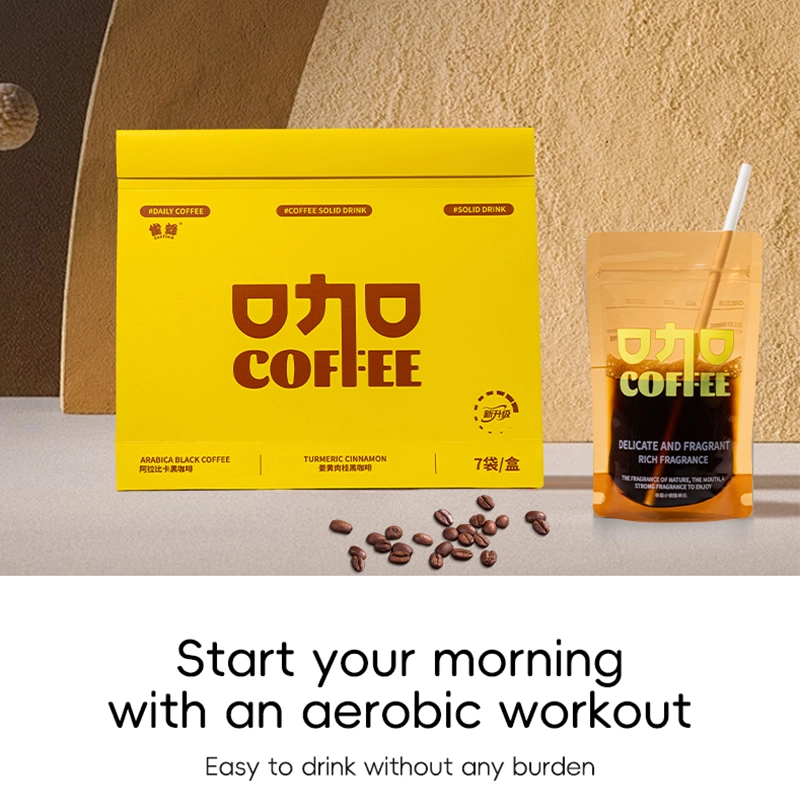
Packaging affects more than appearance. It influences serving convenience, storage, transportation, and the way a product is presented to customers. Bottled beverages are familiar and easy to display, while powder formats can offer advantages in shipping and storage depending on the formulation. Small liquid sachets provide another option for brands that want to offer measured portions in compact packaging.
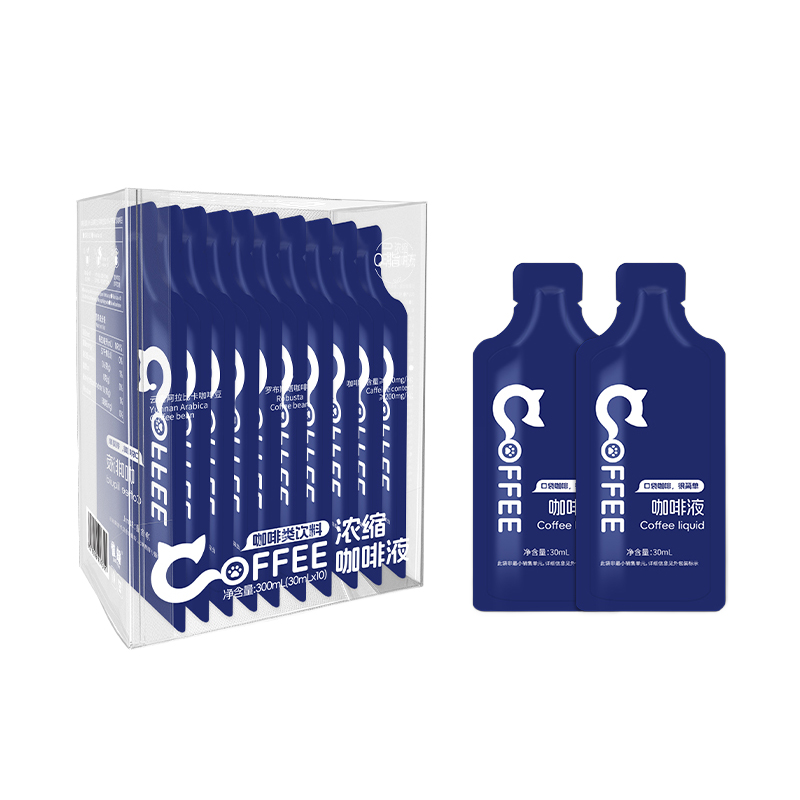
A Six-Ingredient Rehmannia Decoction product from Anhui Chengrun Biotechnology Co., Ltd. is supplied in 30ml sachets, with 10 sachets per box. This format gives buyers a defined serving size and a boxed unit suitable for retail presentation or distribution. Before selecting a similar format, buyers should check packaging material, sealing quality, storage conditions, and how the product will be transported.
The manufacturer’s stated shelf life for this product is 12 months. Buyers should confirm the applicable storage instructions and remaining shelf life at shipment, especially when planning international distribution. Packaging details should also be checked against the requirements of the destination market.
Product Specifications at a Glance
| Product Detail | Specification |
| Product name | Six-Ingredient Rehmannia Decoction |
| Product category | Chinese-style herbal beverage |
| Packaging | 30ml × 10 sachets per box |
| Stated shelf life | 12 months |
| Minimum order quantity | 2,000 boxes |
| Customization | OEM/ODM available |
| Supply option | Spot delivery available |
| Manufacturer | Anhui Chengrun Biotechnology Co., Ltd. |
These specifications provide a starting point for supplier discussions. Buyers should confirm current availability, pricing, packaging details, and delivery arrangements directly with the manufacturer before placing an order.
What Should Be Considered During Herbal Beverage Formulation?
Formulation is one of the most important stages of beverage development. Ingredient selection affects flavor, aroma, color, texture, and product stability. Even when a product draws inspiration from a traditional recipe, its final formulation needs to meet practical requirements for manufacturing, packaging, storage, and the preferences of the intended market.
Consistency is particularly important for commercial production. Buyers should ask how the manufacturer manages raw material sourcing, production specifications, batch records, and quality checks. If samples are available, evaluate them before approving a large order. Confirm that the sample and final production specifications match, including the ingredient list, serving size, and packaging.
Product positioning also deserves attention. Descriptions should clearly communicate the product’s identity without making unsupported medical or therapeutic promises. Claims related to health benefits may be subject to specific regulations, depending on the product classification and sales market. A careful review of ingredients, labeling, and permitted claims can help prevent avoidable problems after production.
How Do OEM/ODM Herbal Beverage Services Work?
For businesses that want to launch a branded product without managing every stage of manufacturing themselves, OEM/ODM herbal beverages can provide a practical route to market. The exact service scope varies by supplier, but it may include product specification discussions, formulation development, packaging options, and brand customization.
The process usually begins with a clear product brief. Buyers should explain their target market, preferred beverage format, expected retail price, packaging requirements, and estimated order volume. The manufacturer can then assess whether the project fits its capabilities and clarify which elements can be customized. If samples are available, they should be evaluated before finalizing the specification.
Before approving production, confirm the minimum order quantity, sample arrangements, production lead time, quality requirements, packaging artwork, and payment terms. It is also important to establish who is responsible for reviewing labels and confirming compliance with destination-market rules. Clear communication at this stage reduces misunderstandings and helps both parties work toward the same product requirements.
What Should Buyers Check Before Purchasing Chinese-Style Beverages in Bulk?
Bulk purchasing requires a broader assessment than comparing unit prices. The minimum order quantity affects initial investment, inventory levels, and cash flow. For a product with a stated MOQ of 2,000 boxes, buyers should estimate demand carefully and consider whether their distribution channels can absorb the planned volume within the product’s shelf life.
Supplier documentation is another important part of the decision. Request the product specification, ingredient list, packaging details, relevant production credentials, and available quality documentation. Confirm that the documents correspond to the actual product being purchased. Buyers should also clarify whether the quoted price includes packaging customization, samples, shipping, or other additional costs.
For international orders, review the destination country’s requirements before committing to production. Food classification, ingredient restrictions, label language, nutrition information, and permitted product claims can differ considerably. Do not assume that a product accepted in its country of origin can automatically be sold under the same description elsewhere. Checking these requirements early can reduce delays, relabeling expenses, and customs complications.
Pertanyaan yang Sering Diajukan (FAQ)
What packaging options are available for Chinese herbal beverages?
Common formats include bottles, liquid sachets, and powders. The most suitable choice depends on the formulation, target customers, storage requirements, distribution channel, and local market preferences.
Can manufacturers customize herbal beverages through OEM/ODM services?
Many manufacturers offer some level of OEM/ODM support, although available options vary. Buyers should confirm whether the supplier can accommodate their requirements for formulation, packaging, branding, and production volume before moving forward.
What is the MOQ for the Six-Ingredient Rehmannia Decoction?
The current product information lists a minimum order quantity of 2,000 boxes, with 10 sachets of 30ml each per box. Buyers should verify current stock, pricing, and delivery conditions with the manufacturer.
What should importers check before selling Chinese-style beverages overseas?
Importers should review the ingredient list, product classification, labeling rules, permitted claims, and applicable import requirements in the destination market. Local regulatory advice may be necessary before the product is marketed.