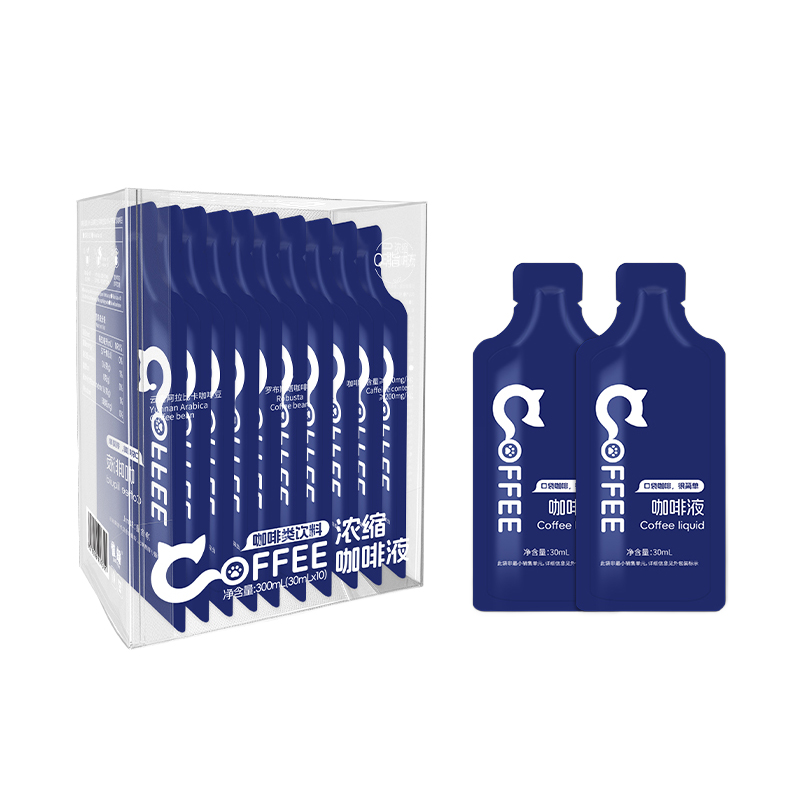


Coffee Extract vs Coffee Concentrate: Are They the Same?
Release time: 2026-07-14
Table of Contents
Coffee-based beverages have become increasingly diverse, from traditional hot coffee to cold brew, bottled coffee, energy drinks, and functional beverages. As manufacturers develop new products, terms such as Coffee Extract, Coffee Concentrate, and Liquid Coffee Extract are frequently used in the coffee ingredient industry.
However, these terms are often misunderstood. Although they are closely related, they do not always refer to exactly the same product.
For beverage manufacturers and food companies, understanding the differences between these coffee ingredients is essential for selecting the right raw material, optimizing production processes, and achieving consistent product quality.
What Is Coffee Extract?
Coffee Extract is a concentrated ingredient created by extracting soluble compounds from roasted coffee beans.
During production, coffee beans typically go through:
- Grinding
- Hot water extraction
- Filtration
- Concentration
The extraction process captures important coffee components, including:
- Aroma compounds
- Flavor molecules
- Caffeine
- Soluble coffee solids
A professional Coffee Extract product provides manufacturers with a convenient way to introduce authentic coffee flavor into different applications.
What Is Coffee Concentrate?
Coffee Concentrate is a more concentrated form of liquid coffee designed to deliver strong flavor intensity with a smaller dosage.
Compared with regular coffee extract, concentrate usually contains:
- Higher coffee solids
- Stronger flavor intensity
- Lower dilution requirements
Coffee concentrate is commonly used for:
- RTD coffee beverages
- Coffee shops
- Beverage manufacturing
- Cold brew products
Coffee Extract vs Coffee Concentrate: Key Differences
Although they are related products, there are several differences.
| Comparison | Coffee Extract | Coffee Concentrate |
|---|---|---|
| Main purpose | Coffee flavor ingredient | High-strength coffee base |
| Concentration level | Moderate to high | Usually higher |
| Typical usage | Food and beverage applications | Beverage formulation |
| Flavor intensity | Balanced | Stronger |
| Dilution requirement | May require adjustment | Often diluted before use |
The difference is not always strictly defined because manufacturers may use these terms differently depending on product specifications.
Why Are Liquid Coffee Ingredients Popular in Beverage Manufacturing?
The beverage industry is moving toward faster and more efficient production methods.
Using a liquid coffee ingredient provides several benefits.
1. Simplified Production Process
Traditional coffee preparation requires brewing and filtration steps.
Using a ready-made coffee extract reduces complexity by allowing manufacturers to directly incorporate coffee flavor into formulas.
Benefits include:
- Shorter production time
- Lower equipment requirements
- Improved batch consistency
2. Better Control Over Flavor Performance
Large beverage brands need every bottle or can to deliver the same consumer experience.
A stable Liquid Coffee Extract helps manufacturers control:
- Coffee strength
- Aroma profile
- Flavor balance
This consistency is especially important for international brands operating across different markets.
3. Suitable for Multiple Applications
Liquid coffee ingredients are widely used in:
- RTD coffee
- Dairy coffee drinks
- Cold brew beverages
- Coffee-flavored desserts
- Functional beverages
This versatility makes them valuable ingredients for modern food innovation.
How Should Companies Choose Between Coffee Extract and Coffee Concentrate?
The choice depends on the final product requirements.
| Application | Recommended Solution |
|---|---|
| Standard coffee beverages | Coffee Extract |
| High-strength coffee drinks | Coffee Concentrate |
| Cold brew products | Coffee Concentrate |
| Food flavor applications | Coffee Extract |
| Customized beverage formulas | Based on formulation needs |
Manufacturers should evaluate:
- Desired flavor intensity
- Production process
- Storage requirements
- Target market positioning
What Should You Look for in a Coffee Extract Supplier?
Choosing the right supplier is essential for maintaining product quality.
A reliable supplier should have:
- Advanced extraction technology
- Stable raw material sourcing
- Strict quality control
- Customization capability
- Export experience
The supplier should also understand different beverage applications and provide technical support during product development.
Chengrun Bio Delivers Professional Coffee Ingredient Solutions
With growing demand for innovative coffee beverages, businesses need dependable partners who understand both coffee processing and industrial applications.
Chengrun Bio provides high-quality coffee ingredient solutions designed for beverage manufacturers and food companies worldwide.
Through professional production processes, quality management systems, and flexible service capabilities, Chengrun Bio helps customers develop stable and competitive coffee products.
Whether companies require Coffee Extract, Coffee Concentrate, or customized liquid coffee solutions, Chengrun Bio provides reliable support throughout the product development process.
FAQ
1. Are Coffee Extract and Coffee Concentrate the same?
They are related but different. Coffee Concentrate usually refers to a stronger liquid coffee base, while Coffee Extract is a broader term for coffee-derived liquid ingredients.
2. What is Liquid Coffee Extract used for?
Liquid Coffee Extract is commonly used in RTD coffee, beverages, desserts, bakery products, and other food applications.
3. Why do beverage companies use coffee concentrate?
Coffee concentrate helps manufacturers achieve strong coffee flavor while improving production efficiency and formulation flexibility.
4. How do I choose a reliable Coffee Extract Supplier?
Look for suppliers with stable production capability, strict quality control, customization services, and experience serving international markets.
5. Can liquid coffee ingredients be customized?
Yes. Professional suppliers can adjust concentration, flavor profile, packaging, and specifications according to customer requirements.